

Diabetul: cum redobândim sănătatea pierdută
What is diabetes?
Diabetes is a chronic disease that develops when the pancreas does not produce enough insulin or when the body cannot effectively use the insulin it produces. Insulin is a hormone that regulates the level of sugar in the blood. A common result of uncontrolled diabetes is hyperglycemia, or elevated blood sugar levels, which over time leads to serious damage to many body systems, especially nerves and blood vessels.

In 2016, the incidence of diabetes was 8.5% among adults 18 years and older. An estimated 1.6 million deaths were caused by diabetes in 2018, and 2.2 million deaths were caused by high blood sugar in 2014.
Type 1 diabetes
In type 1 diabetes (previously known as insulin-dependent, adolescent, or child-related), which is characterized by insufficient insulin production, daily insulin administration is required. The cause of this type of diabetes is unknown, so it cannot currently be prevented.
Symptoms include excessive urination (polyuria), thirst (polydipsia), constant hunger, weight loss, vision changes, and fatigue. These symptoms may appear suddenly.
Type 2 diabetes
Type 2 diabetes (previously referred to as insulin-dependent or adult) develops as a result of the body's ineffective use of insulin. Most diabetics suffer from type 2 diabetes, which is largely the result of being overweight and physically inactive.
Symptoms may be similar to those of type 1 diabetes, but are often less pronounced. As a result, the disease can be diagnosed several years after its onset, after complications have already occurred.
Until recently, this type of diabetes was observed only in adults, but now it affects children as well.
Gestational diabetes
Gestational diabetes is a hyperglycemia that develops or is first detected during pregnancy. Women who have this form of diabetes also have an increased risk of complications during pregnancy and childbirth. They also have an increased risk of type 2 diabetes later in life.
Most often, gestational diabetes is diagnosed during prenatal screening, rather than based on reported symptoms.


Reduced glucose tolerance and impaired fasting glycemia
Reduced glucose tolerance (IGT) and impaired fasting glycaemia (IFG) are intermediate conditions between normality and diabetes. People with PTH and NGN are at high risk of type 2 diabetes, but this may not happen.
What are the common consequences of diabetes?
Over time, diabetes can affect the heart, blood vessels, eyes, kidneys, and nerves.
In adults with diabetes, the risk of heart attack and stroke is 2-3 times higher (1).
In combination with reduced blood flow, neuropathy (nerve damage) of the legs increases the likelihood of ulcers, infection, and eventually the need for amputation of the limbs.
Diabetic retinopathy, which is an important cause of blindness, develops as a result of long-term accumulation of damage to small blood vessels in the retina. Diabetes can account for 2.6% of global blindness (2).
Diabetes is one of the main causes of kidney failure (3).
How can the burden of diabetes be reduced?
Prevention
Simple measures to maintain a healthy lifestyle are effective in preventing or delaying type 2 diabetes. To help prevent type 2 diabetes and its complications you need to do the following:
achieve a healthy body weight and maintain it;
be physically active — at least 30 minutes of regular moderate-intensity activity during most days; additional activity is required to control weight;
stick to a healthy diet and reduce your intake of sugar and saturated fat;
abstain from tobacco use-Smoking increases the risk of developing cardiovascular diseases.
Diagnosis and treatment
Early diagnosis can be made using relatively inexpensive blood testing.
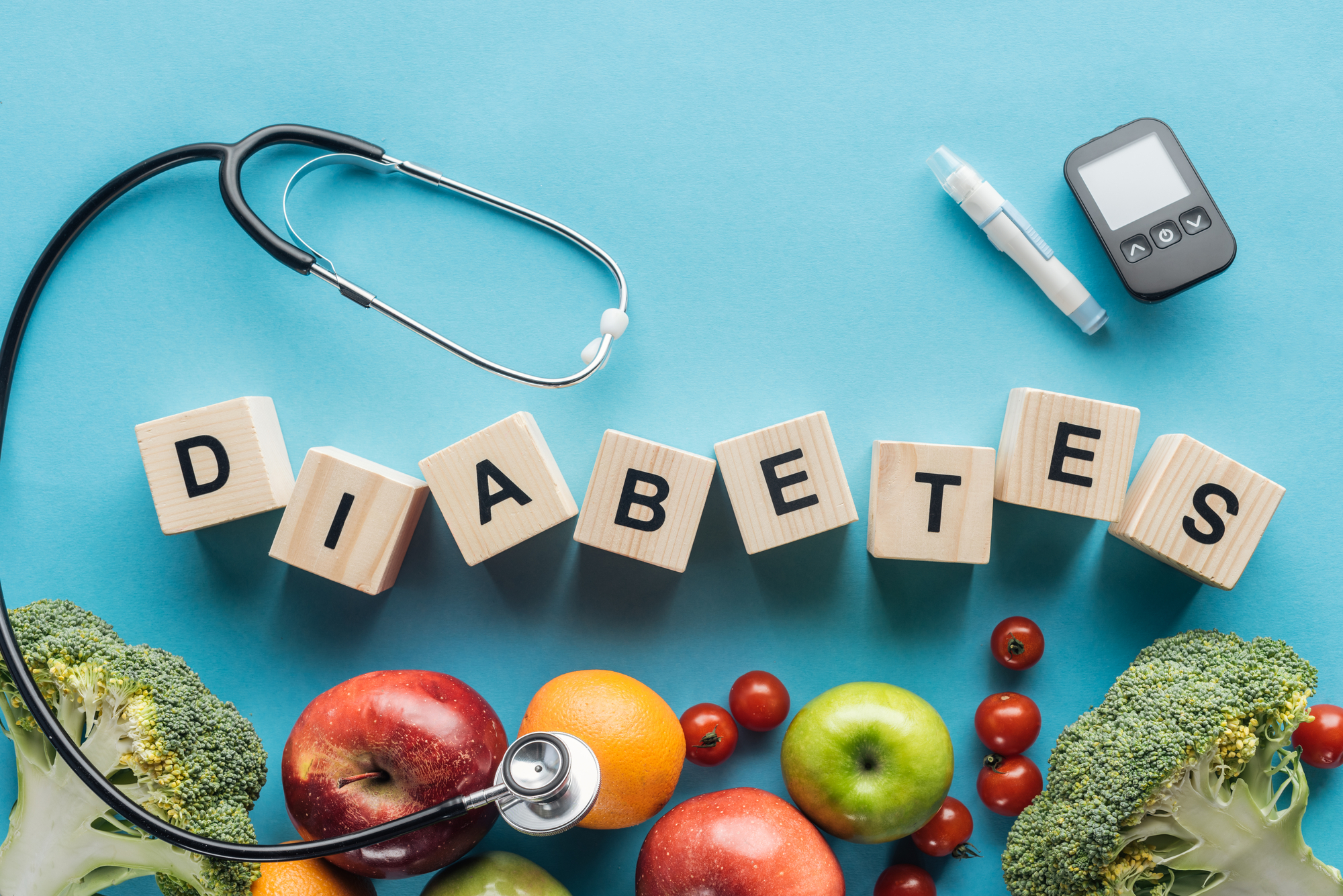
Treatment for diabetes is based on a suitable diet of physical activity, along with a reduction in blood glucose levels and levels of other known risk factors that destroy blood vessels. To prevent complications, it is also important to stop using tobacco.
Activities that save costs and are feasible in developing countries include:
control of moderate blood glucose, especially in people with type 1 diabetes. These people need insulin; people with type 2 diabetes can be treated with oral medications, but they may also need insulin;
blood pressure monitoring;
foot care.
Other cost-saving measures include:
screening for retinopathy (which causes blindness);
control over the content of lipids in the blood (for cholesterol regulation);
screening for early signs of kidney disease associated with diabetes.
The activities of who
Who seeks to encourage and support effective measures to monitor, prevent and control diabetes and its complications, especially in low-and middle-income countries. To this end who does the following:
provides scientific guidelines for the prevention of major noncommunicable diseases, including diabetes;
develops norms and standards for providing assistance in the case of diabetes;
provides awareness of the global diabetes epidemic, including through a partnership with the International diabetes Federation on world diabetes day (November 14);
conducts surveillance of diabetes and its risk factors.
The who global report on diabetes provides an overview of the burden of diabetes and the interventions available to prevent and manage diabetes, as well as recommendations for governments, individuals, civil society, and the private sector.

The who global strategy on nutrition, physical activity and health complements who's work on diabetes by focusing on population-wide approaches that promote healthy diets and regular physical activity, thereby reducing the growing global problem of overweight and obesity.
*The definition of diabetes used for these assessments: fasting glucose >= 7.0 mmol / l or medication.
** High blood glucose is defined as the distribution of fasting plasma glucose in the population that exceeds the theoretical distribution that could minimize health risks (according to epidemiological studies). High blood glucose is a statistical concept, but not a clinical or diagnostic category.